Prenez contact avec nous : enquiry@sgtgroup.net

Do Apparel Brands’ Customers Care About Ethical Sourcing?

With the rise of the ethical consumer, more and more fashion brands are announcing their new efforts to commit to becoming more sustainable in the long run and engage in ethical sourcing practices. But, are consumers actually living up to their word when it comes to investing and buying ethical fashion products?

Les meilleures méthodes d'assurance qualité pour les marques de vêtements

In the fashion industry, competition runs exceptionally high amongst fashion brands. If your quality is not up to scratch, you risk failing to meet industry and customer demands, waste a great deal of time, money and resources and inevitably fall behind your competition. Many apparel brands are also pressured to increase their output and maximize profits… Poursuivre la lecture The Best Quality Assurance Methods for Apparel Brands

4 moyens éprouvés d'améliorer la qualité de votre chaîne logistique

4 Proven Ways To Improve The Quality Of Your Softlines Producing high-quality softlines should be the end goal for all garment manufacturers and importers. But, in the highly competitive, complex fashion industry, if your product does not meet the lofty industry standards and consumer expectations, your brand can suffer immensely in terms of loss of… Poursuivre la lecture 4 Proven Ways To Improve The Quality Of Your Softlines

[VIDEO] Comprendre le coût de la qualité dans l'industrie de l'habillement

The fashion industry, devoted to the business of making and selling clothes, is a multi billion dollar global enterprise and is one of the largest and most value-creating industries in the world. The global apparel market is valued at 842.7 billion dollars in 2016, up 5.5% from 2015 and constitutes 2 percent of the world’s… Poursuivre la lecture [VIDEO] Understanding the Cost of Quality in the Apparel Industry

Gestion de la qualité textile : Le NQA est-il votre seule option ?

In the fashion industry, AQL is one of the most frequently used terms, specifically in the apparel export industry. It is referred to as the ‘Acceptable Quality Level’ and is defined as the percentage of defective pieces which are tolerated/accepted by the buyer from the manufacturer. In other words, it’s the quality level that is… Poursuivre la lecture Textile Quality Management: Is AQL Your Only Option?

Un chemin mesuré - L'indice Higg et la durabilité

In the age of instant information via the internet, trends, news and information move at an accelerated rate. Moreover, as access to information grows, so has the awareness of the world around us and the impact of industry on human lives and the environment. Due to this increased digital transparency – the global trend for consumers to… Poursuivre la lecture A Measured Path – The Higg Index and Sustainability

Quel est le degré de durabilité de votre chaîne d'approvisionnement en matières premières pour le cuir ?

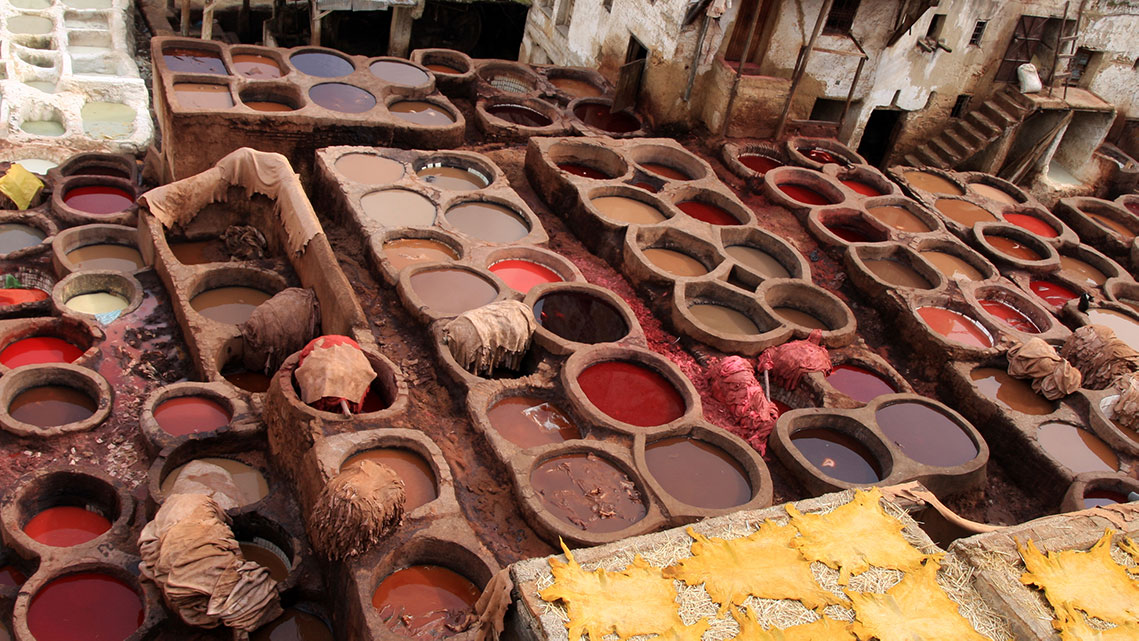
La chaîne d'approvisionnement en matériaux en cuir est complexe et pose de nombreux défis aux importateurs de produits en cuir, car elle est traditionnellement horizontale et comporte de nombreuses étapes de transformation et d'intermédiaires où des problèmes peuvent survenir. Tout, du changement climatique aux conditions de travail dangereuses pour le personnel, peut affecter la chaîne d'approvisionnement et causer des problèmes aux importateurs.

Séminaire de lancement du système QMS de J.CREW avec tous les fournisseurs actuels

Grande opportunité d'avoir une session de travail avec l'équipe de gestion de la qualité de la marque J. Crew et les vendeurs à Hong Kong, Shenzhen et Dongguan en avril 2018. Les vendeurs de tous les pays asiatiques ont participé activement et ont appris les attentes des clients en matière de qualité. Excellente collaboration entre l'équipe SgT, le client et les différents fournisseurs.

Approvisionnement en vêtements : Intégration verticale et horizontale (avantages et inconvénients)

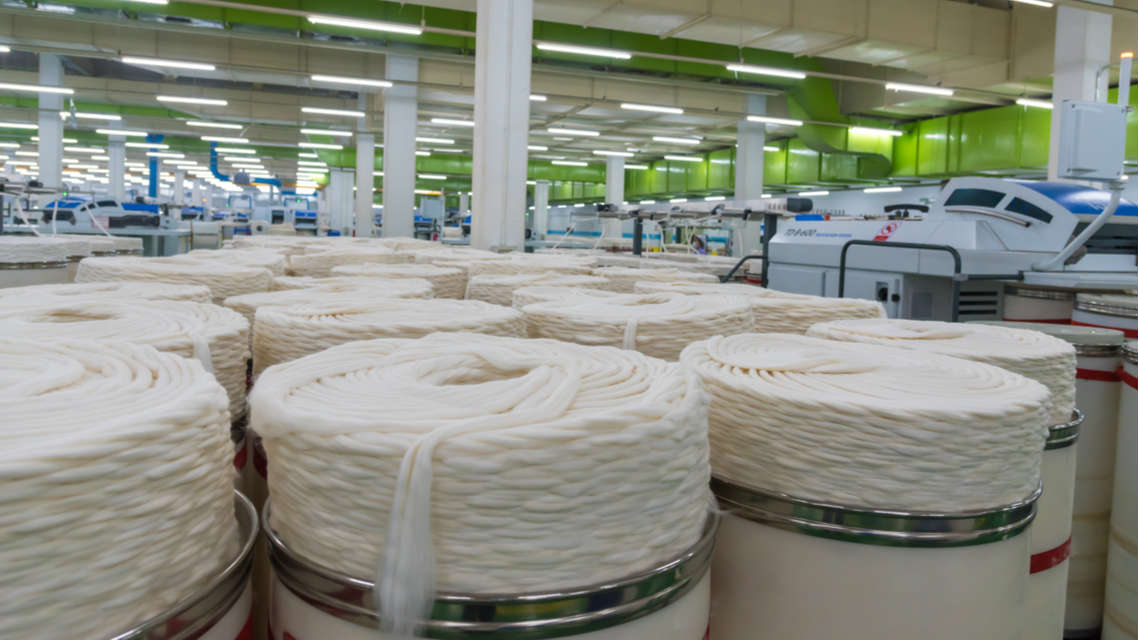
With almost 70% of direct garment cost in textile products coming from raw materials, finding the structure that delivers the lowest cost when sourcing textiles and apparel can be challenging. Many mills operate with horizontal integration, and others have taken a vertically integrated approach.  Each of the two approaches has pros and cons to importers…

3 risques auxquels les importateurs sont confrontés lorsqu'ils s'approvisionnent en tissus durables

For those of us in the textile and apparel industry, sourcing sustainable fabrics poses some unique challenges. While it is certainly desirable for apparel brands to promote sustainability in the supply chain, how can it be assured, and what risks do we face?