In today’s global marketplace, consumers and regulators alike are demanding greater transparency and ethical responsibility from brands. Social compliance due diligence is now a mandatory requirement for softline brands, driven by a complex web of international laws, local regulations, and customer demands for verifiable proof of ethical sourcing.
The Sedex Members Ethical Trade Audit (SMETA) is the globally recognized framework to meet these due diligence demands, offering a robust methodology for assessing working conditions, H&S, environmental practices, and business ethics.
El SMETA audits are conducted by API, an approved audit body and a group company within the Worms Safety group. The goal is continuous improvement, with a Corrective Action Plan Report (CAPR) guiding suppliers when non-compliances are found.
Legislation worldwide now mandates that companies implement effective human rights and environmental due diligence systems to identify, prevent, and mitigate adverse impacts. For the softline industry, this requires a heightened focus across the entire supply chain, from fabric sourcing to garment manufacturing.
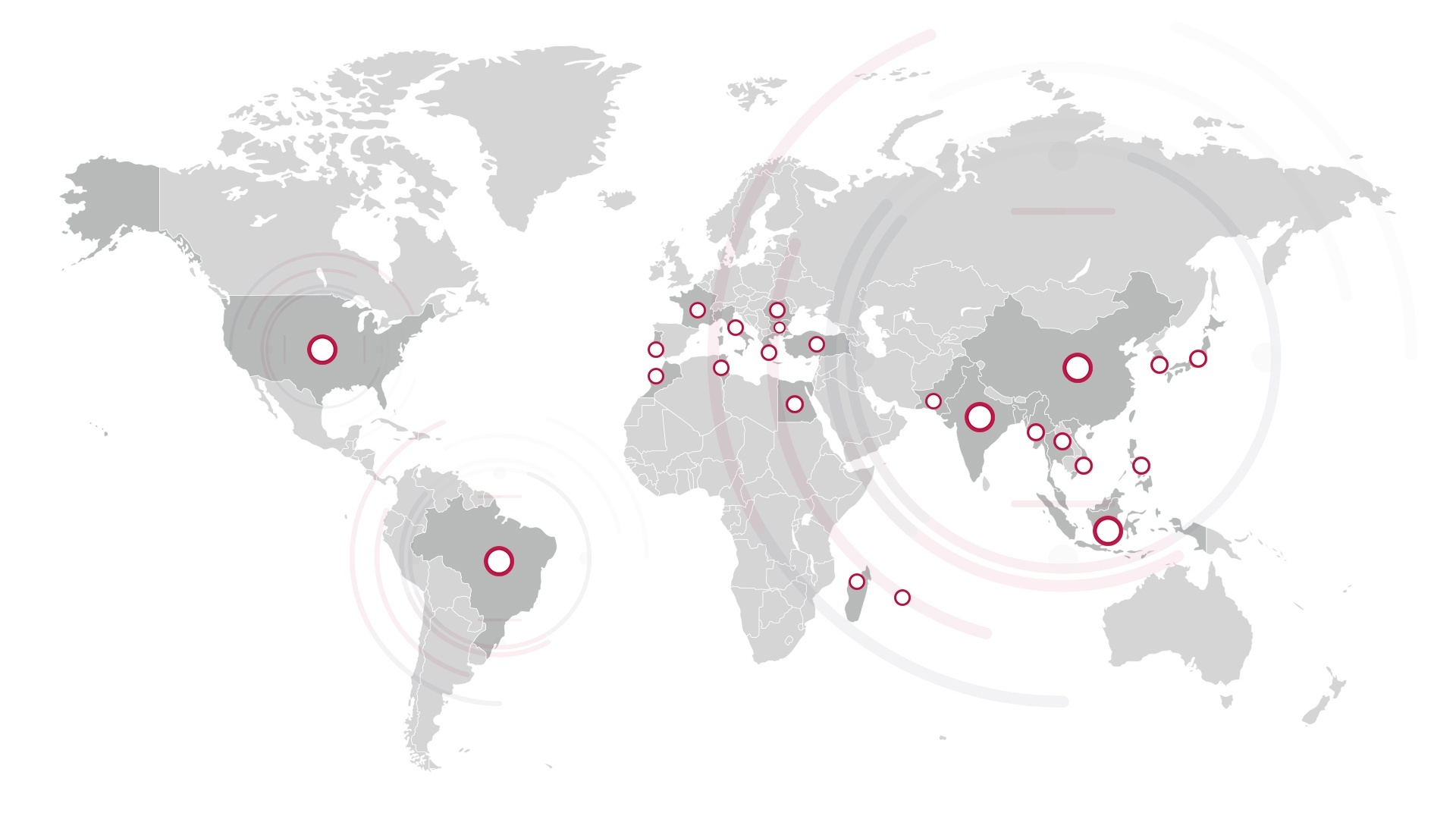
While these regulations do not specifically mandate social audits, leading brands are increasingly incorporating SMETA audits as a critical component of their due diligence frameworks. Comprehensive SMETA assessments, like those provided by our alliance API, deliver the visibility and data needed to meet these compliance obligations. Key regulations impacting the softline sector include:
There are several recurring non-compliances during SMETA audits in the softline sector. Understanding these common challenges is the first step toward building a more compliant and ethical supply chain.
Here are eight of the most common non-compliances we see in apparel, textile, and footwear manufacturing:
Non-Compliance Category | Common Issues |
Working Hours & Rest Days | Excessive overtime, failure to provide mandated rest days, exceeding legal weekly hour limits (48 hrs/week standard, 60 hrs/week maximum). |
Wages & Benefits | Incorrect calculation of overtime pay, unauthorized deductions, failure to pay minimum wage. |
Time Records | Incomplete, inaccurate, or falsified time records. |
Health & Safety | Missing risk assessments, inadequate PPE, insufficient training. Chemical safety issues are the second most common non-compliance type. |
Fire Safety | Blocked exits, faulty alarms, inadequate drills, expired extinguishers. |
Chemical Management | Improper storage, missing or outdated Safety Data Sheets (SDS), lack of worker training. |
Grievance & Disciplinary Procedures | Weak documentation, lack of formal processes, fear of retaliation. |
Contractor & Subcontractor Control | Failure to ensure contractors meet ethical standards. |
At SgT, we believe in a proactive approach to compliance. By working with our clients and their suppliers, we can help embed ethical practices into every aspect of the softline supply chain. Here are some best practices for success:
SMETA compliance is an essential part of building a resilient, ethical, and sustainable softline supply chain. By proactively addressing common non-compliances and fostering a culture of continuous improvement, companies can not only meet regulatory requirements but also create long-term value for their business, their workers, and the environment. Póngase en contacto con nosotros and let’s begin this journey.
¿Quiere saber más sobre alguno de nuestros muchos servicios? Póngase en contacto con nosotros para obtener más información sobre lo que SgT puede hacer por su empresa hoy mismo.


Copyright © 2004 - 2022 SgT, Hong Kong. Todos los derechos reservados.